

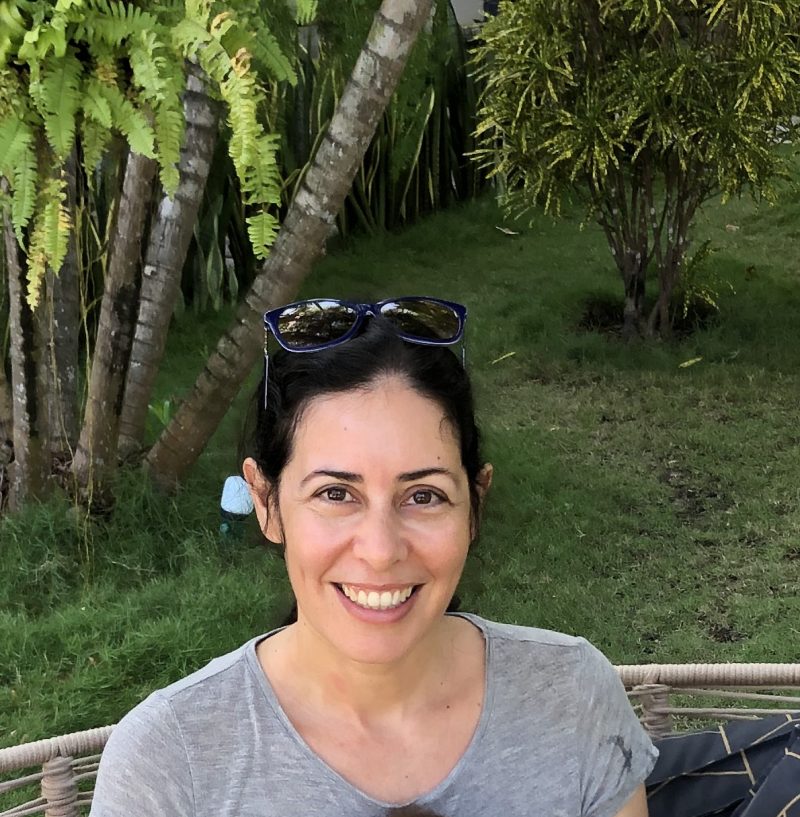
Priscila Lopes
priscila.lopes [at] ufrn.br
Priscila Lopes is an associate professor at the Federal University of Rio Grande do Norte. With a PhD in Ecology, her research has been interdisciplinary for over 15 years, blending ecological methods with social sciences and economics. Her work focuses on understanding the dynamics of small-scale fisheries, the behavior and strategies of fishermen, the factors driving socio-ecological resilience and compliance, and how to integrate fishing communities into conservation in a fair way. One of Priscila's main research interests is investigating the potential of Local Ecological Knowledge to serve as a reliable source of quantitative scientific information that can contribute to conservation efforts. Priscila is also the mother of Kaya, a smart and sweet little boy that already challenges her with difficult questions. She also likes to cook and is an avid reader of old and contemporary novels.
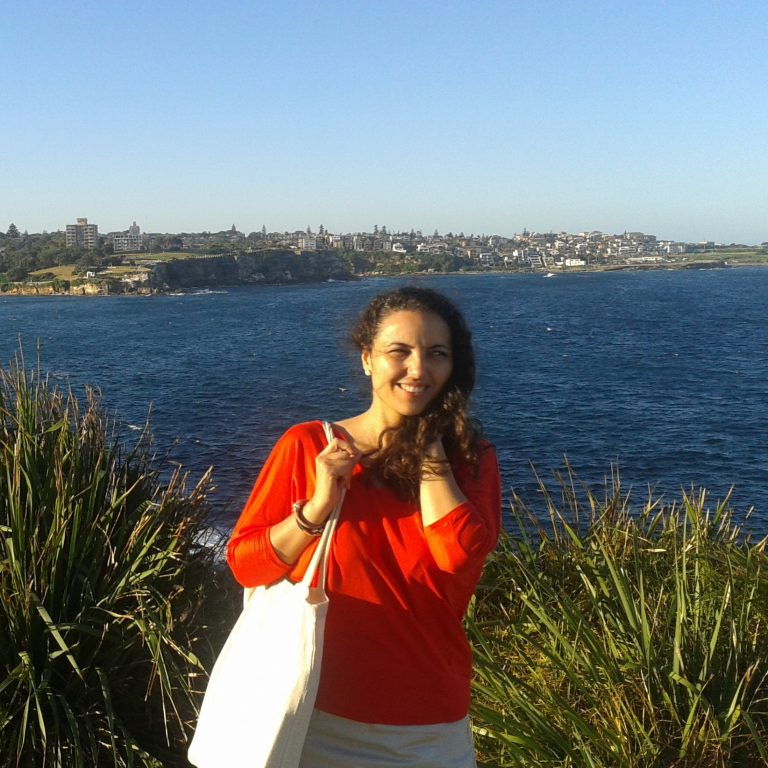
Natașa Vaidianu
natasa.vaidianu [at] geo.unibuc.ro
Natașa Vaidianu is an Associate Professor, working at the Faculty of Natural Sciences and Agricultural Sciences, Ovidius University Constanta. Natasa is also a researcher at University of Bucharest, in the Interdisciplinary Centre for Advanced Research on Territorial Dynamics. Her research interests include maritime spatial planning, ocean governance, coastal management, ecosystem services, protected areas, science-policy interface, stakeholder involvement and participatory approaches. Natasa is one of the facilitators of meetings and workshops related to MSP at local and national levels. The majority of this research work is carried out in the Black Sea Basin, Danube Delta and Eastern Europe. Natasa is a member of Marine Social Science Research Group, based in Environmental Planning, Queen’s University Belfast, engaged with a range of social science perspectives to research contemporary marine issues and to inform marine governance and policy. She is also a member of different national and international networks and associations: MSPRN, IMBER, ERSA, etc. She implemented European and national research projects on different topics related to coastal and marine areas, conducting innovative research on a wide range of topics, including: blue economy, maritime spatial planning; marine citizen science; coastal conflicts; just coastal transitions and environmental social justice. She is a regional expert in different EU BE policy projects, related to Integrated Maritime Policy for the Black Sea since 2015 (e.g. EU MSP Platform).
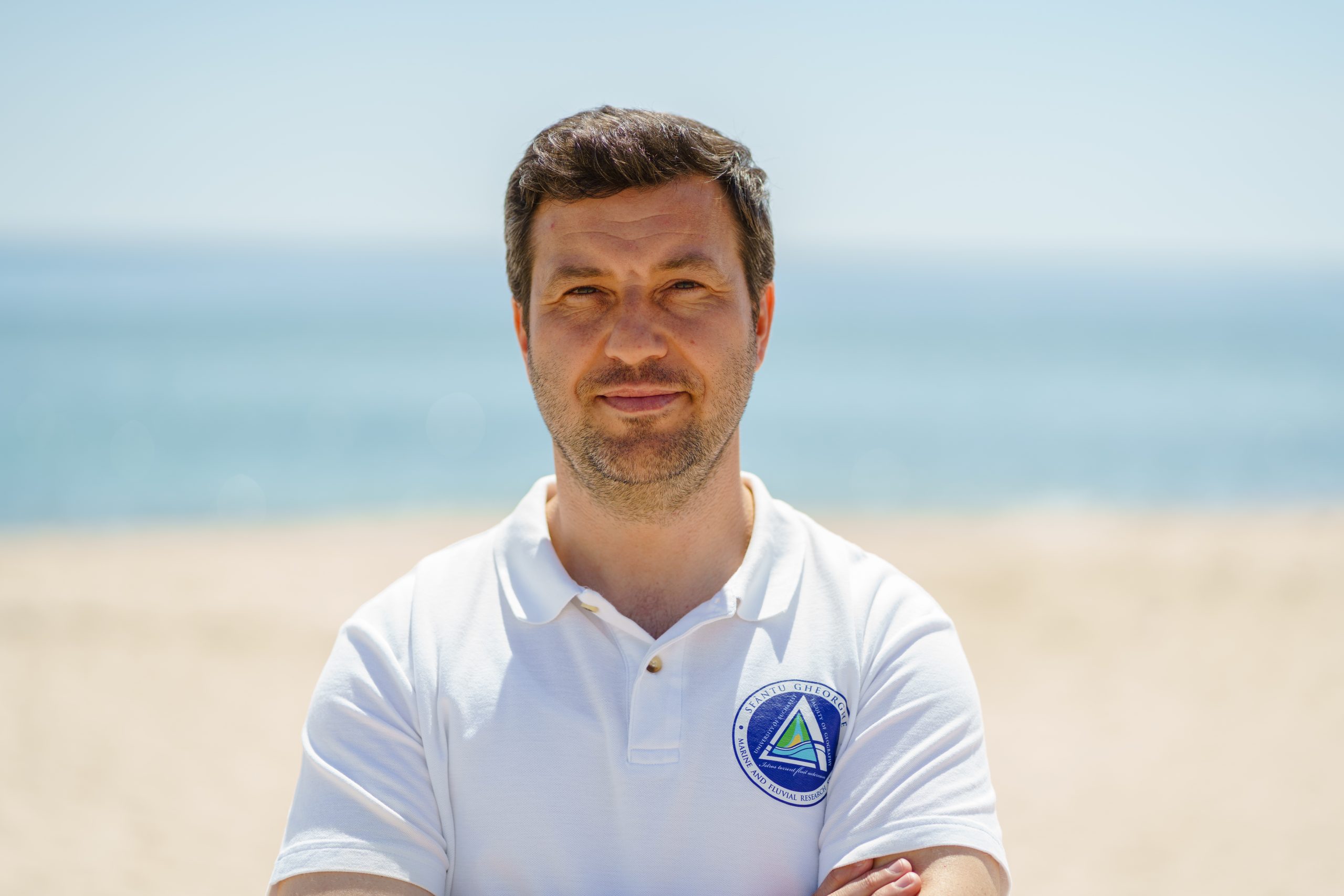
Florin Tătui
florin.tatui [at] geo.unibuc.ro
Florin Tătui is Associate Professor at the Faculty of Geography, University of Bucharest, where he is responsible for the courses of Physical Oceanography and Geography of the Black Sea. He is also researcher at the Sfantu Gheorghe Marine and Fluvial Research Station (SCMF) and the Research Institute of the University of Bucharest (ICUB). He holds a PhD in Physical Geography from University of Bucharest and was trained in the early stages of his career at Utrecht University (Netherlands) and University of Copenhagen (Denmark). He is currently the president of the Romanian Association of Geomorphologists. His main research focus is on coastal geomorphology, morpho- and hydrodynamics at various temporal and spatial scales, especially related to nearshore sandbars behaviour, shoreface and shoreline dynamics, sedimentary exchanges between the nearshore and the beach-dune system, EO derived data for coastal processes and morphology, coastal hazards (rip currents) and related risks, storm impact on low-lying sandy beaches and integrated coastal zone management. He loves all about deltas, travelling, sports (football) and spending time with his beautiful family and friends.
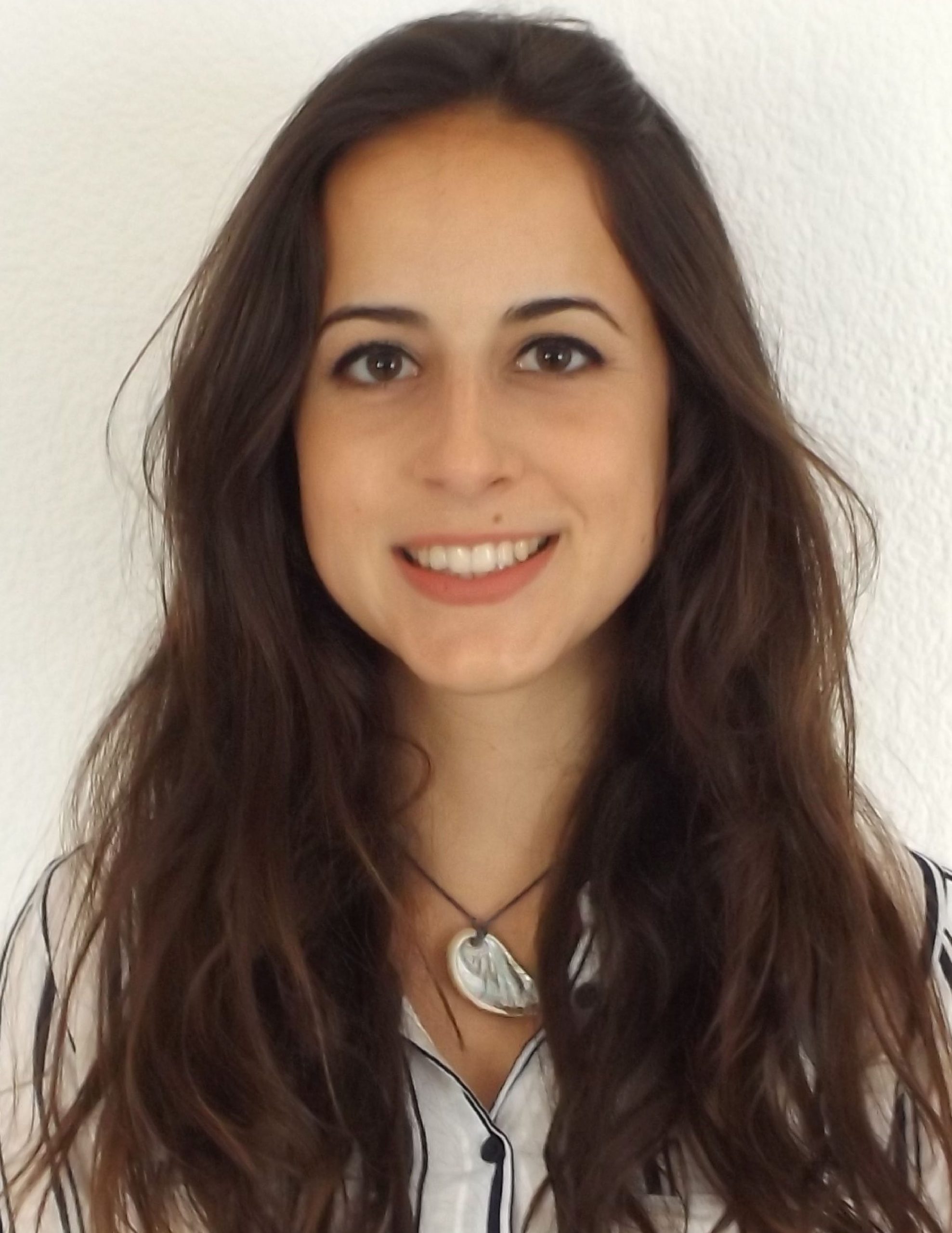
Elena Lloret
ely.llore [at] gmail.com
Elena Lloret is a marine ecologist specializing in trophic ecology, species distribution, and ecosystem modelling (still on the learning curve). She initially trained in Biological Sciences at the University of Exeter, then pursued a Master’s degree at the University of Barcelona, delving into marine sciences. This led to her PhD at the Institute of Marine Sciences-CSIC in Barcelona, where she explored the seasonal variabilities of the Northwestern Mediterranean Sea ecosystem. Along the way, she contributed to other research projects, mostly focusing on the small pelagic fish and fisheries of the same area, while also engaging in teaching and outreach to share scientific knowledge beyond academia. Elena is keen on acquiring new skills, particularly in integrating climate change into spatial analysis and considering the social perspective.
Petruţa Teampău
teampau [at] fspac.ro
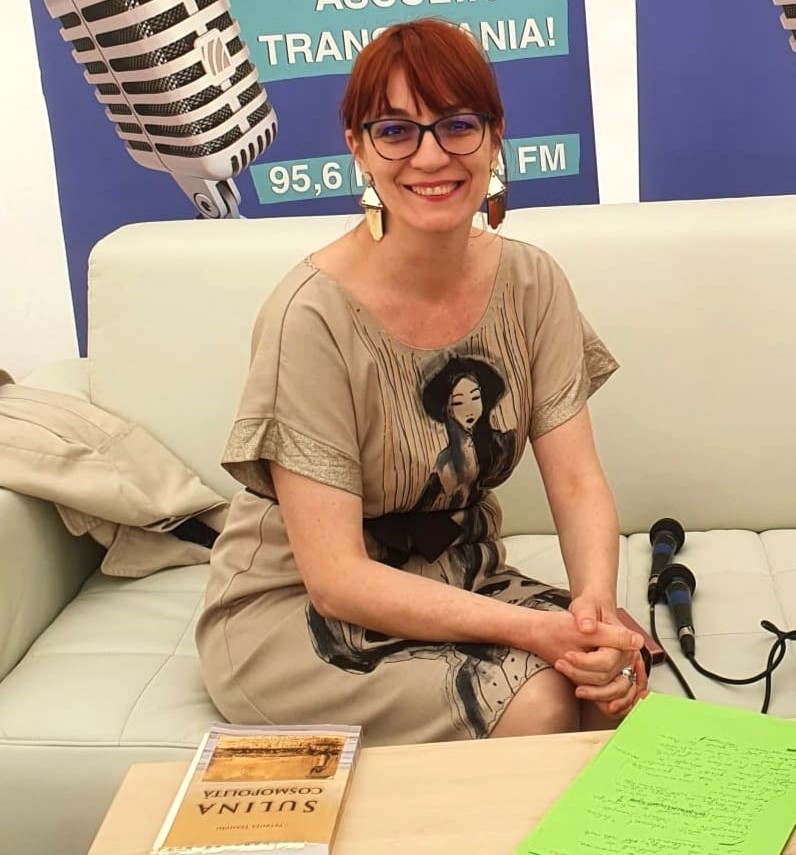
Petruţa Teampău is lecturer at the Faculty of Political, Administrative and Communication Sciences, UBB, Cluj, Romania, since 2009. She has a PhD. in cultural anthropology (2008) and teaches, among others, courses in qualitative methodology, political sociology, and applied ethics. She has done extensive fieldwork in the Danube Delta (2006-2023) and has published books and articles on topics such as social memory and urban narratives, cosmopolitanism, governance, ecological policies etc. She is also interested in researching women’s issues in communist Romania and beyond. Some of the most representative recent publications include: Sulina cosmopolita, PUC, Cluj, 2023; “Trouble in paradise: Competing discourses and complex governance in the Romanian Danube delta”, Marine Policy, 2020, ISSN 0308-597X; Local cosmopolitanism. Imagining and (Re)-making Privileged Places (with Kristof van Assche), Springer Books, 2015; "Pirates, fish and tourists. The life of post-communist Sulina" (with Kristof Van Assche), in Constantin Iordachi and Kristof van Assche (eds.) The Biopolitics of the Danube Delta: Nature, History, Policies, London: Lexington Books, 2014, pp. 183-194.
Monalisa Silva
silva.monaro [at] gmail.com
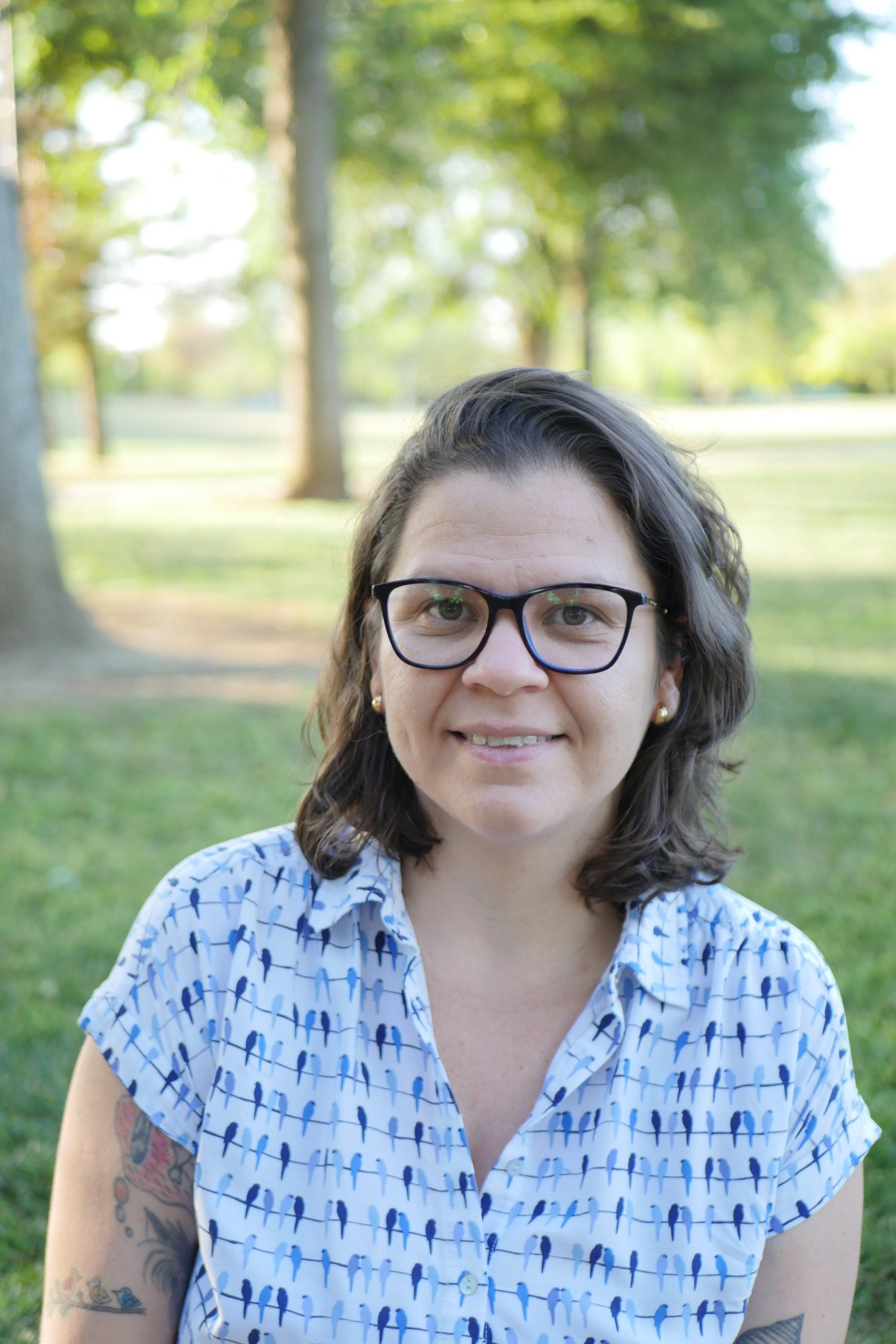
Monalisa Silva has a degree in Ecology and her curiosity about the relationships between humans and nature guided her to Human Ecology and Social Science. She is broadly interested in understanding the relationships between social and ecological systems, and the factors that shape fisheries management and fishers’ adaptations. Her research approaches the management potential of coastal fishing villages through interdisciplinary analyses of their socio-ecological systems. Her past projects focused on the coastal vulnerability and the social-ecological resilience of fishers, the management potential of fishing communities, as well as on the fishers’ perceptions, compliance, and adaptations.
Brunno Freire Oliveira
brunno.eco [at] gmail.com
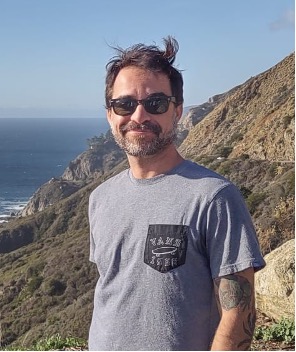
Brunno Oliveira’s research aims to understand what shapes the distribution of life on Earth. As an avid user of computational tools, Brunno leverages state-of-the-art techniques to advance his research, contributing valuable insights into how ongoing environmental changes impact biodiversity and ecosystem functioning, including the services beneficial to humans. Brunno holds a PhD in Ecology from the Universidade Federal do Rio Grande do Norte (Brazil) and has postdoctoral experience from globally renowned institutions such as the University of Florida, Auburn University at Montgomery, and the University of California-Davis in the United States, as well as the Centre for the Synthesis and Analyses of Biodiversity in Europe. Outside of his professional life, Brunno enjoys running and hiking. He is passionate about art and music, particularly the cryptic underground punk/rock’n’roll scene.
Stefan Constantinescu
stefan.constantinescu [at] geo.unibuc.ro
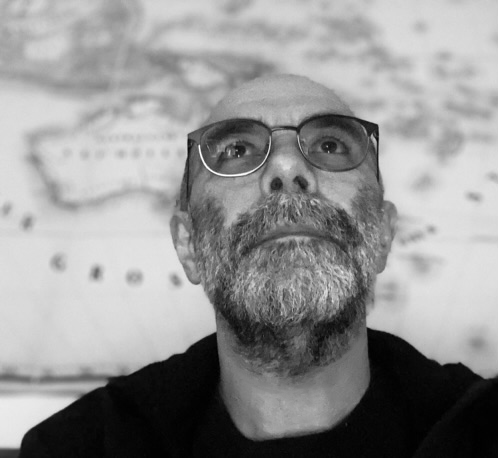
Stefan works at the University of Bucharest, Faculty of Geography, where he teaches courses in Historical Cartography, GIS, and Oceanography. He started as a coastal geomorphologist with a thesis on the Romanian cliffed coasts, then focused on deltaic shores. He sees maps not just as a mere cartographic product but as a cultural synthesis of all toponymic, historical, and geographical elements. And he still dreams of heading to other waters as soon as possible.
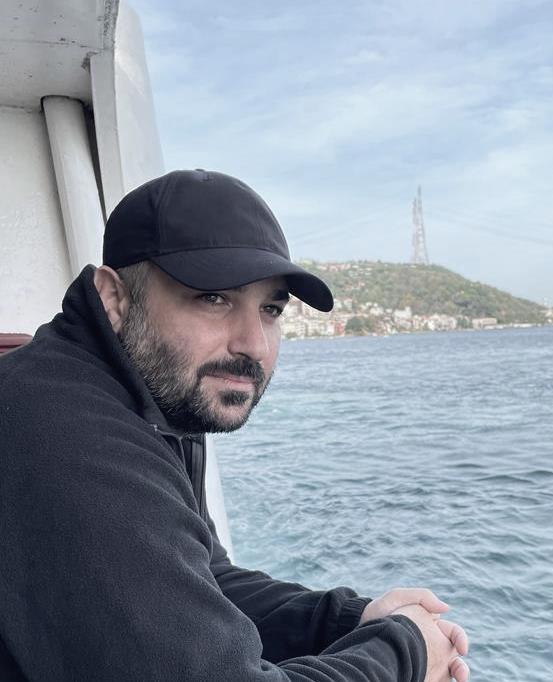
Sorin Constantin
sorin.c.geo [at] gmail.com
Sorin Constantin is currently a researcher at the University of Bucharest. He carries out his activities within the Sfantu Gheorghe Marine and Fluvial Research Station (SCMF) from the Danube Delta. He obtained his PhD at the same university, with a thesis focused on the analysis of sea water turbidity in the Romanian coastal area of the Black Sea based on remote sensing data. He has participated in multiple research projects and received several grants and fellowships, including: Postdoctoral stage at Laboratoire d'Océanographie de Villefranche, Sorbonne Université, France. Postdoctoral research grant from the Research Institute of the University of Bucharest. Fulbright Visiting Scholar - Scripps Institution of Oceanography, USA. His main areas of interest include the study of aquatic environments and the application of Earth Observation data in these areas.
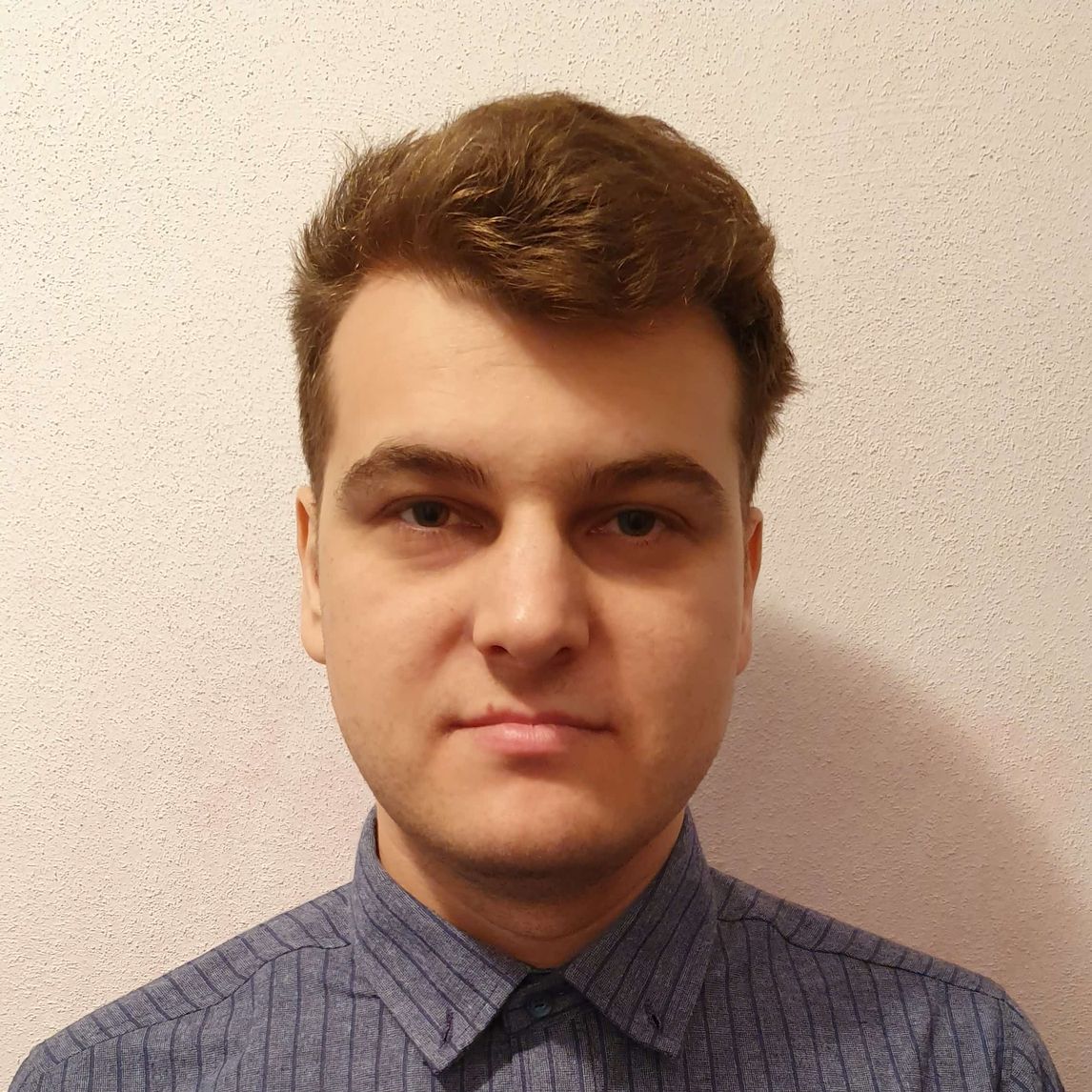
George Secăreanu
secareanugeorge [at] yahoo.com
George Secăreanu is a University Assistant Professor at the Faculty of Natural and Agricultural Sciences. His areas of interest include: the development of deeply disadvantaged rural areas, land use, vulnerability and economic resilience, regional and local development, as well as the impact of viticulture on rural areas. He has a PhD in intelligent development of deeply disadvantaged rural areas graduated in 2019 (Bucharest) and a post-doctoral degree obtained during 2023-2024 (6 months) in Santiago de Compostela.
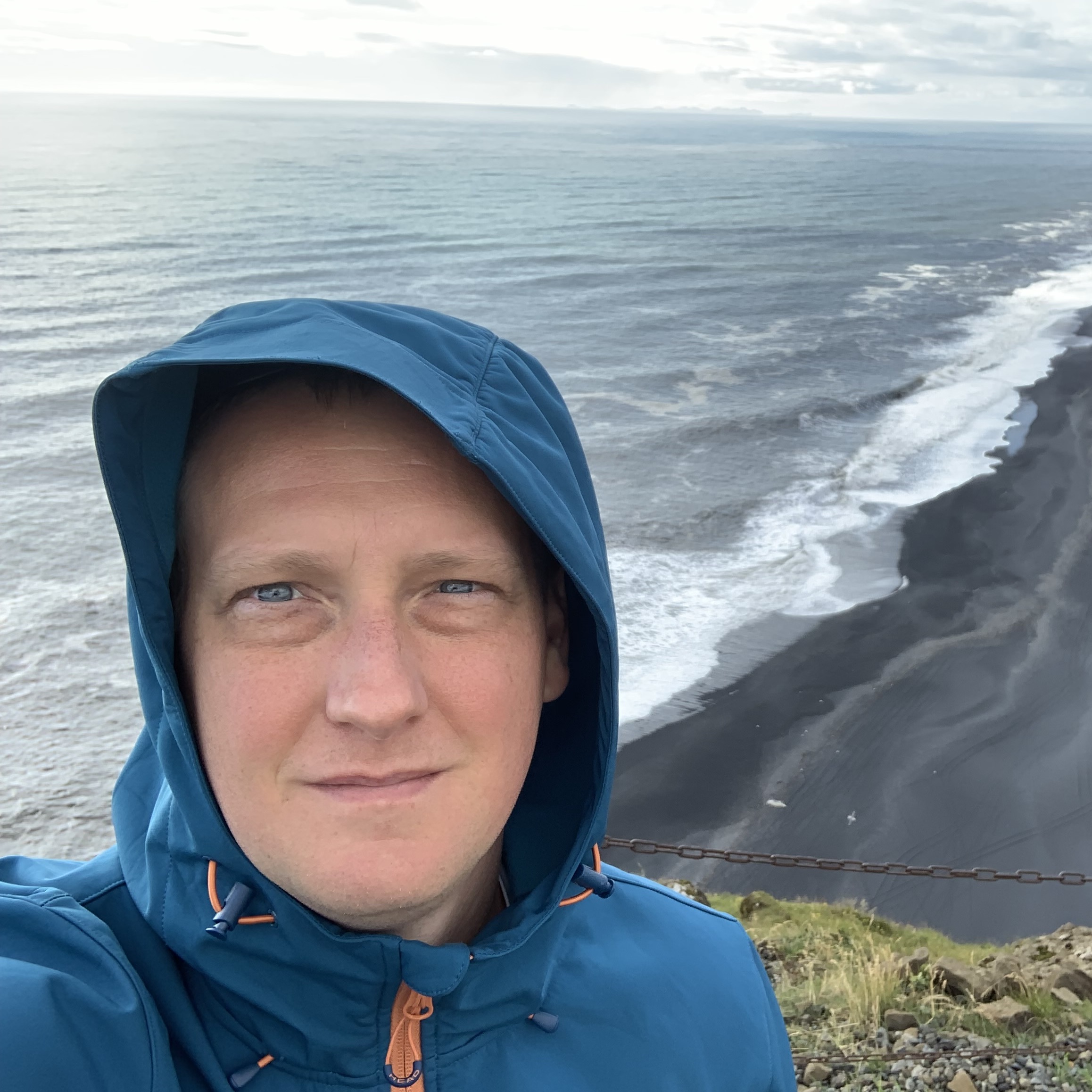
Andrei Schvab
a.schvab [at] gmail.com
Andrei Schvab is a lecturer at Ovidius University of Constanța (UOC) and a researcher at the Interdisciplinary Centre for Advanced Research on Territorial Dynamics (CICADIT in Romanian). Andrei also has several years of experience teaching British curriculum Geography and other humanities at an international school in Bucharest. With an MA, BSc, and PhD in Geography, his initial academic compass pointed broadly towards Human Geography and Tourism. For over 10 years now, his work has applied (with debatable succes) complexity theory to unearth spatial patterns of social, economic, and, very recently, environmental injustices. He enjoys immersing himself in reading papers and finding patterns in how concepts and theories are used, and how their understanding evolves and affects academic discourse and policy decisions. He is continually intrigued by how, despite the exponential growth of knowledge in academia and policymaking, uneven development and injustices continue to rise. Even though he is primarily a theoretical geographer, he loves spending time doing fieldwork and in nature. Despite being considered a tough grader by his students, he hopes to instil in them a love of Geography through being curious, doing research and fieldwork. He strongly hopes that some of his students will become Geography teachers as well and will inspire their students to ask questions and seek answers about the world we live in. Even if many would consider it un-ecofriendly, when reading, nothing compares to paper.
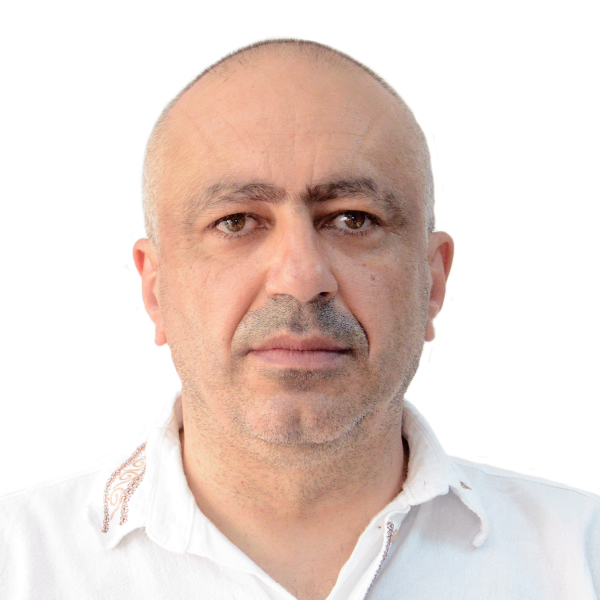
Aurelian Giugăl
aurelian.giugal [at] fjsc.ro
Aurelian Giugăl is lecturer at the Faculty of Journalism and Communication Studies, University of Bucharest (Department of Cultural Anthropology and Communication). He holds an MA and a PhD in Political Science (University of Bucharest). He was involved in two postdoctoral research in social sciences – the Romanian Academy (2014-2015) and the Research Institute of the University of Bucharest (2018). He is also a columnist at a daily newspaper (“Libertatea”) and copy editor at the “Cultura” hebdomadary. His main areas of interest are electoral studies, political communication, cultural and media studies. He has published a couple of papers in peer-reviewed journals such as Space and Polity, East European Politics and Societies, Transitions, Communist and Post-Communist Studies, Representation, Political Science, and Studia Politica.
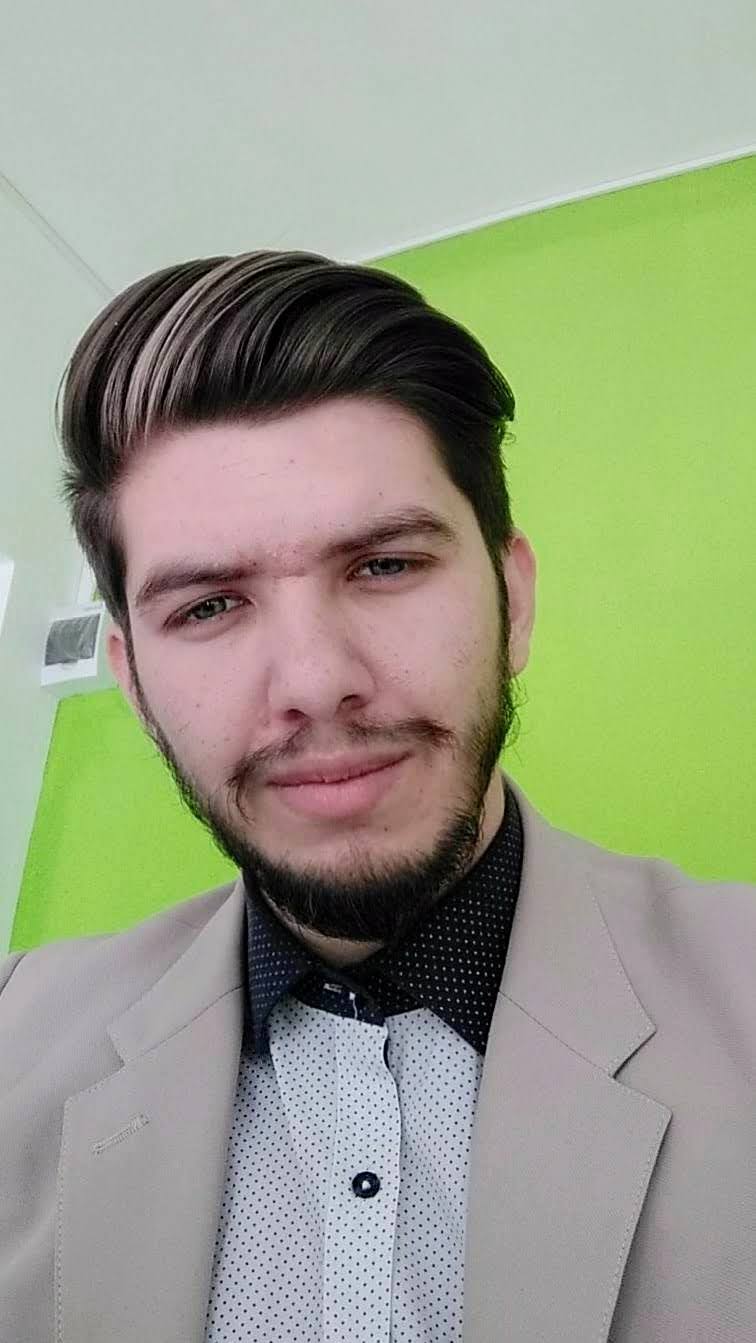
Fernando Varga
varga.fernando [at] yahoo.com
Fernando Varga is a third-year Ph.D. Student at the Doctoral School of Sociology at Babeș-Bolyai University. He earned his Bachelor’s degree in Political Science in 2019 from the Faculty of Political, Administrative and Communication Sciences (FSPAC), followed by a Master’s degree in Research Design and Data Analysis in 2021 from the same faculty. His research thesis focuses on the pathways of Roma students in Romania as they enter and complete higher education. From 2020 to 2023, Varga worked as a research assistant at the World Bank and the Department of Political Sciences at Babeș-Bolyai University, where he continues contributing. His main areas of interest encompass children’s rights, racial studies, the integration of Roma communities, access to education for the Roma, combating poverty, and eradicating prejudice and discrimination.
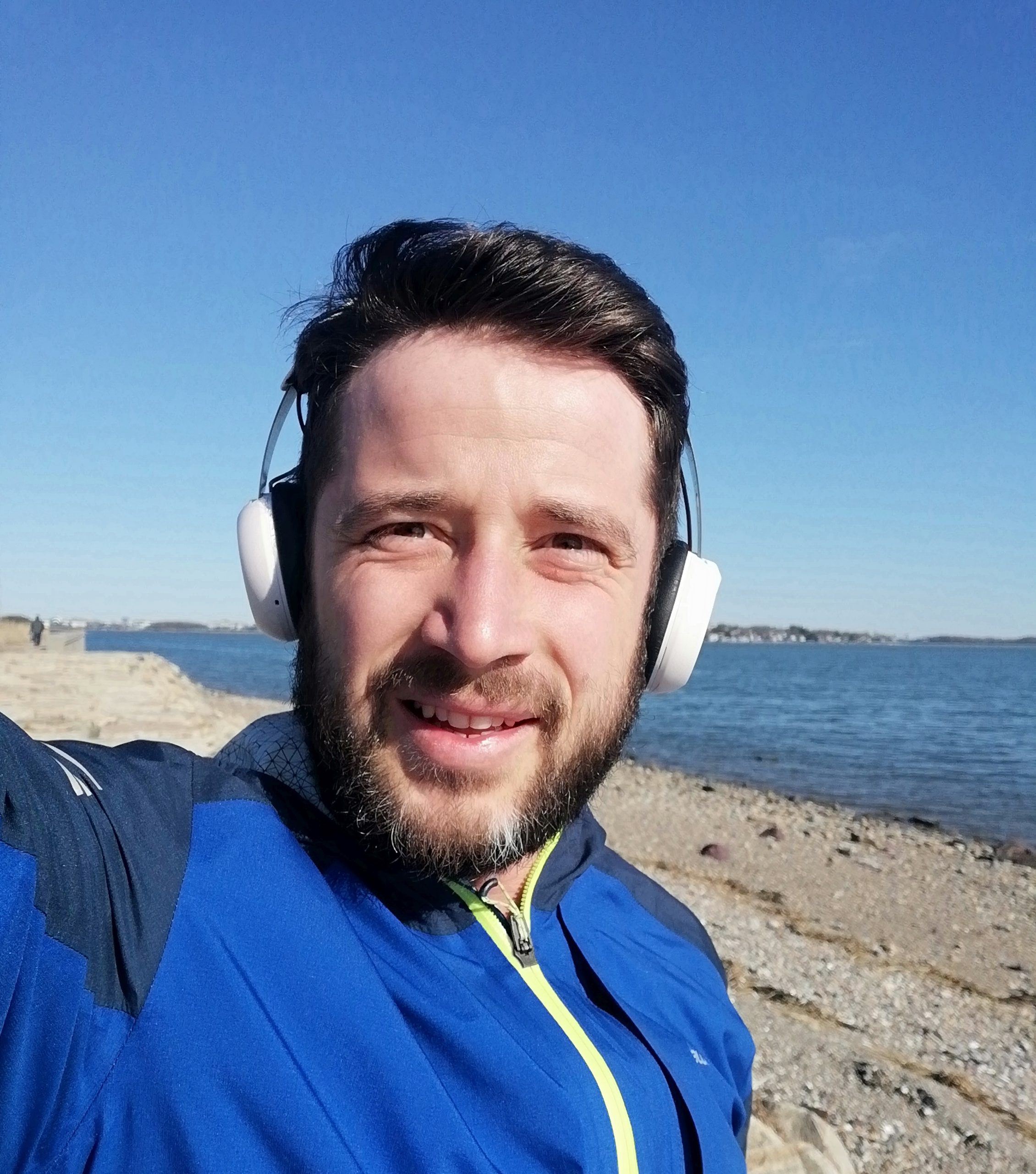
Șerban Ioan Daniel
serbanioandaniel [at] gmail.com
Ionuț Șerban is currently a Remote Sensing and GIS Researcher at the University of Bucharest. He also works as a Remote Sensing and GIS Scientist at Terrasigna, where he contributes to multiple international Earth Observation projects focused on marine and coastal monitoring. He earned his PhD in Geography at the Faculty of Geography, University of Bucharest. The research focused on assessing water transparency in the northwestern Black Sea based on Earth Observation data. His work explores how in situ measurements of water optical properties can be used to retrieve water quality parameters from remote sensing reflectance, with a particular focus on water transparency. He has also gained international research experience as a Fulbright Visiting Researcher at the Optical Oceanography Laboratory, University of Massachusetts Boston, where he focused on deriving Secchi Disk Depth from satellite images. His main areas of interest include remote sensing, optical oceanography and the use of Earth Observation data for monitoring water quality parameters in marine and coastal ecosystems.
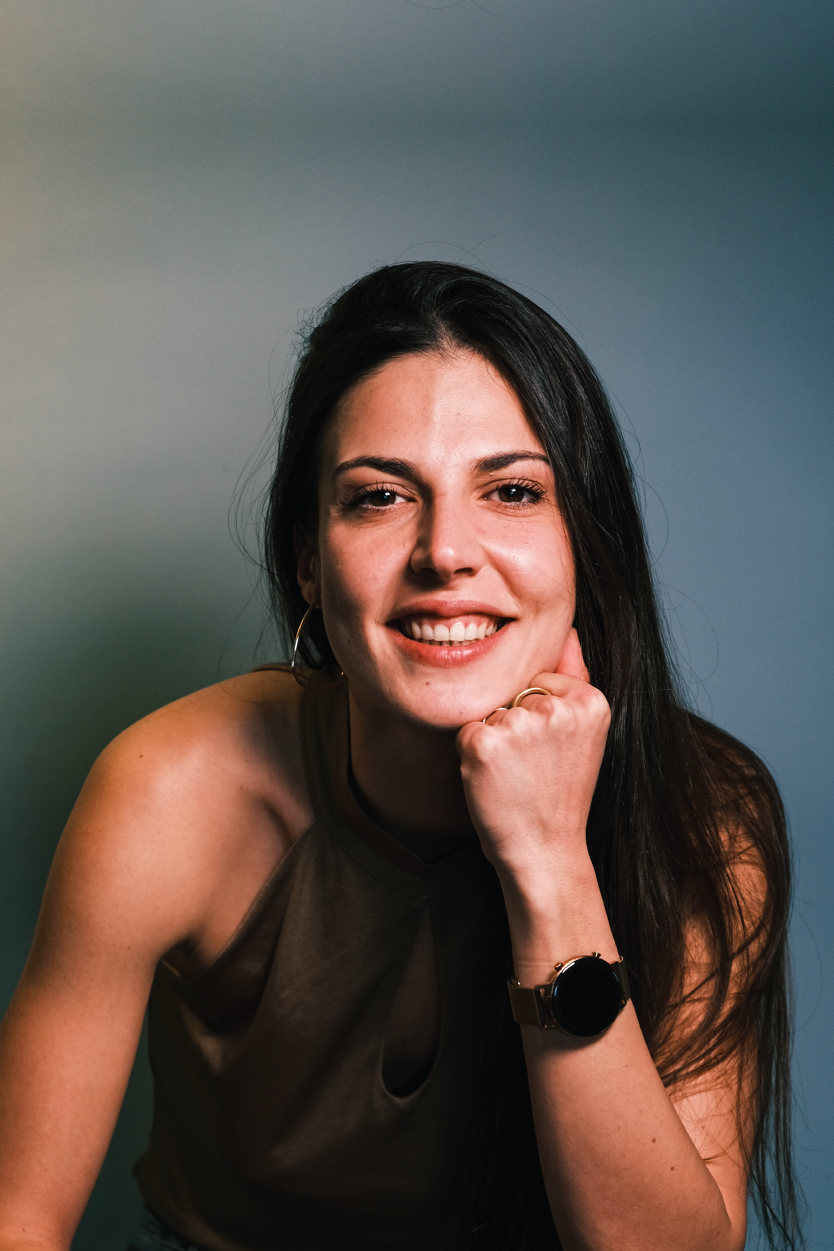
Ruxandra Păduraru
ruxandra.paduraru [at] s.unibuc.ro
Ruxandra Păduraru is an anthropologist and PhD candidate at the Doctoral School of Sociology, University of Bucharest. She teaches seminars in political anthropology, classical sociological theories, and climate and environment at the Faculty of Sociology and Social Work. Research assistant in architecture at the “Ion Mincu” University of Architecture and Urbanism. She has worked on applied anthropology and participatory urbanism projects. Her research and writing focus on urban infrastructures, multispecies ecologies, and the Danube Delta. She has conducted research over the course of eight years in Chilia Veche (Danube Delta), a space where the ruins of socialist modernization intersect with migration, tourism, nature as protected heritage. She was also part of the organizing and coordinating team of the project Patrimoniu ABC – Cu antropologia la pas prin Bălăn și Chilia Veche (2024, co-funded by AFCN), carried out within the Antropedia organization. The project documented and activated the intangible heritage of the two localities through field research, interdisciplinary residencies, permanent and mixed exhibitions, guided cultural routes (with QR codes), and a compendium of good practices in heritage-making.
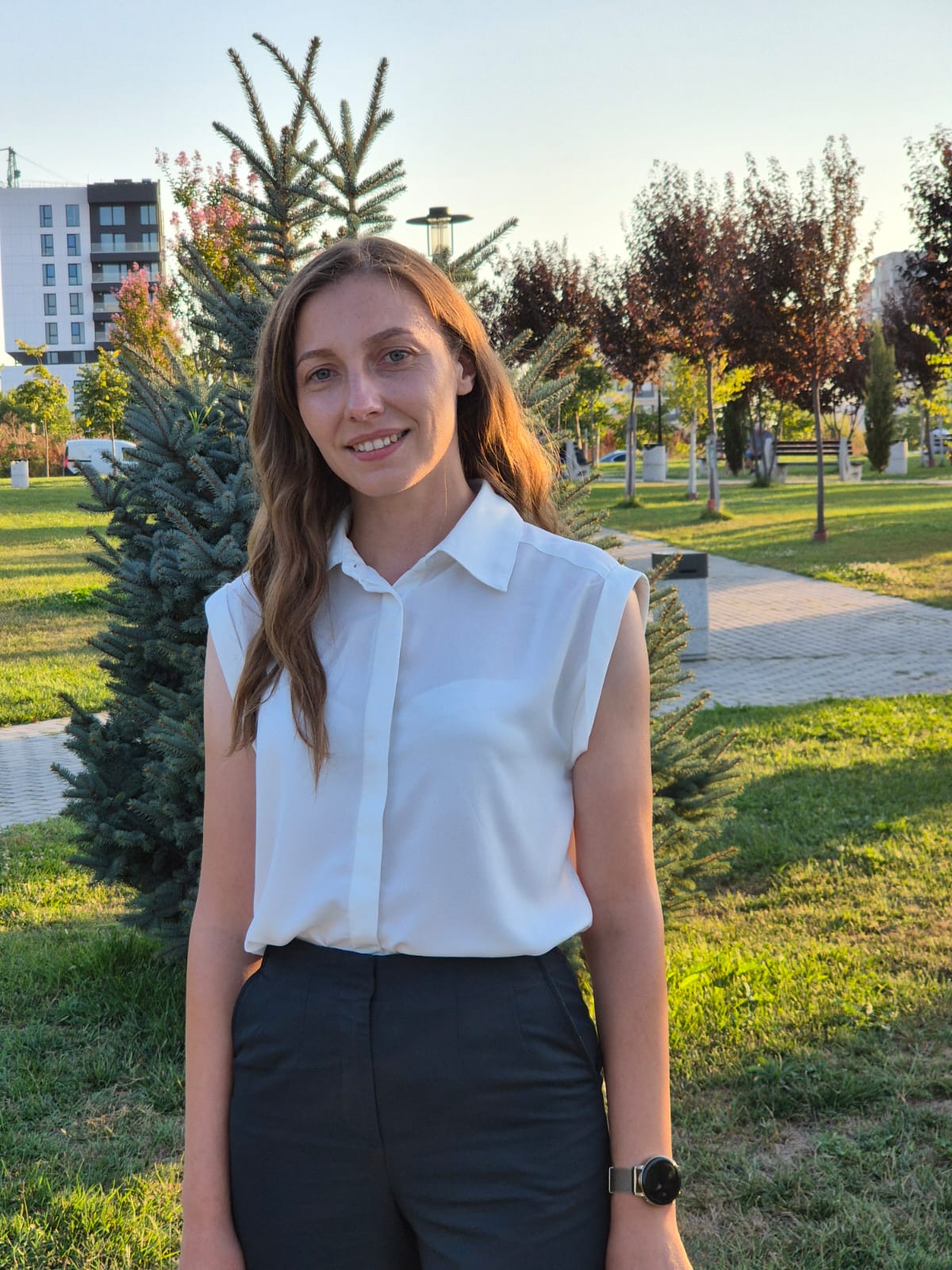
Raluca Gabriela Nicoară
gabriela_nicoara2012 [at] yahoo.com
Gabriela is a 2nd year PhD student at the University of Craiova, Doctoral School of Sciences, Geography field. She has a degree in Geography and has completed 2 master's programs, Applied Geography and Tourism Resources Evaluation in 2024 and Environmental Impact Analysis and Assessment, in 2021, at the "Ovidius" University of Constanța. Her research activity focuses specifically on the study of European agricultural policies, the impact of European funds and subsidies on the rural agricultural sector in Romania. She has also been a research assistant in projects targeting changes in land use in Romania and I is currently a teacher (Geography Professor) in pre-university education in the city of Constanța.
Florin Miron
florin.miron [at] s.unibuc.ro
Florin Miron is a first-year PhD student at the "Simion Mehedinți" Doctoral School of Geography” within the Faculty of Geography, University of Bucharest. He obtained his Bachelor's degree in Cartography in 2023, followed by a Master’s degree in Geographic Information Systems (GIS) from the same institution. His doctoral research focuses on the hydrodynamics and connectivity of the world’s deltas in the context of climate change, integrating advanced tools from geoscience, machine learning, and deep learning. Florin currently works as a Remote Sensing and GIS Scientist at Terrasigna, contributing to several international Earth Observation projects dedicated to marine and coastal monitoring. He is also a researcher at the Sfântu Gheorghe Marine and Fluvial Research Station (SCMF) and the Research Institute of the University of Bucharest (ICUB). He has participated in multiple research projects and received various grants and fellowships, including Erasmus mobilities in Greece and Austria, a CNRS internship in France, and DOORS project. He is currently involved in the EO-PERSIST project in Poland. His main research interests include coastal geomorphology, morpho- and hydrodynamics across different spatial and temporal scales, Earth Observation-based analysis of coastal processes and morphology, coastal hazards and related risks, as well as machine learning, deep learning, flood risk modeling, cloud-based geoprocessing, and field measurements.
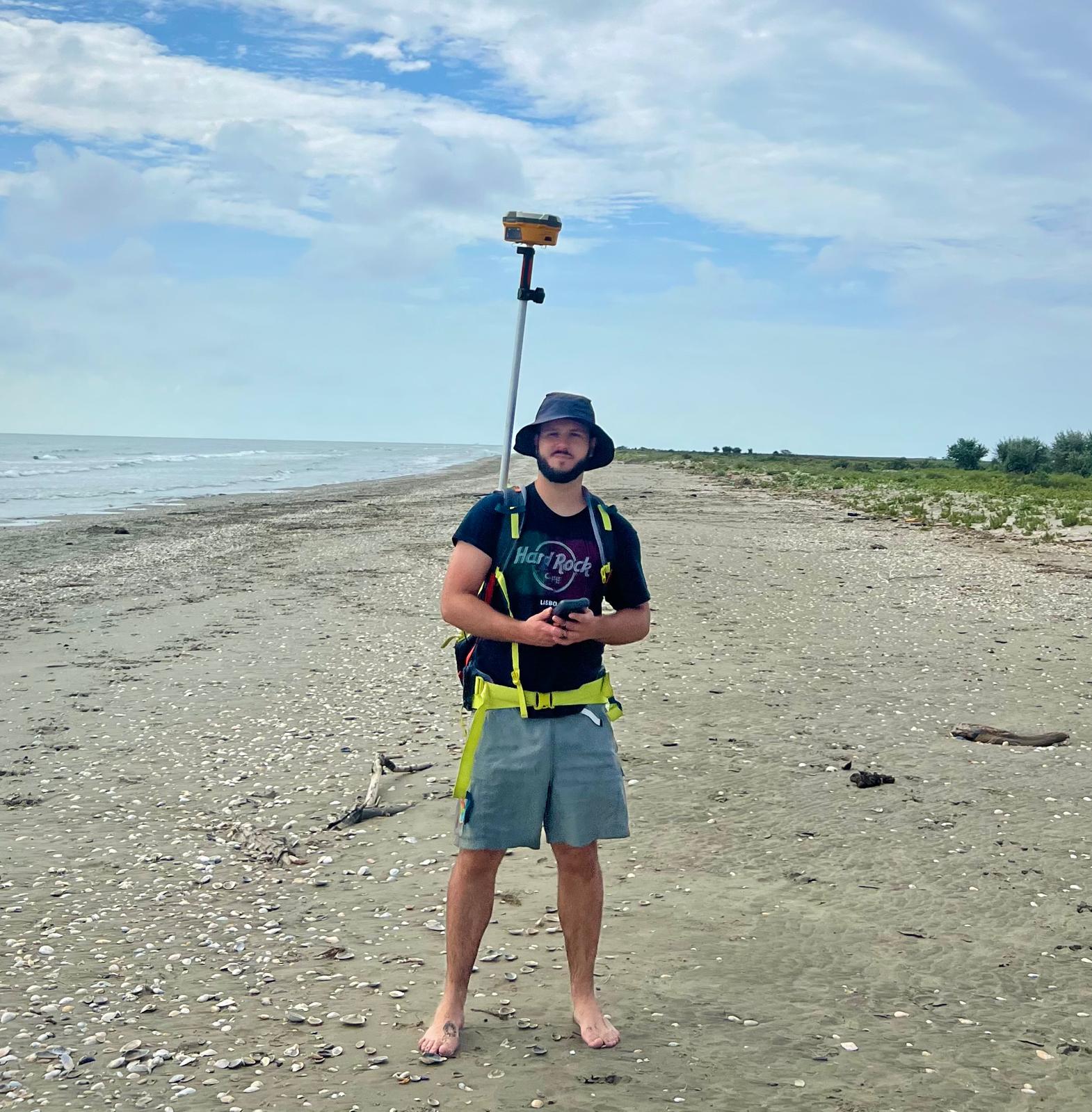
Alexandru Berbecariu
alexandru.berbecariu@s.unibuc.ro
Alexandru Berbecariu is a PhD researcher and coastal geomorphologist. Within the JUST4MPA project, his work focuses on shoreline dynamics in marine protected areas, using remote sensing and GIS to quantify erosion and accretion rates, map coastal sectors and relate these physical changes to socio-economic indicators. This approach combines high-resolution time series of shoreline change with information on coastal infrastructure and socio-economic conditions, with the aim of indicating where management and conservation measures may need adjustment in the context of “blue” and climate-resilient policies. His academic background includes two master’s degrees: one in Environmental Geosciences from Aix-Marseille University (CEREGE) and one in Geomorphology-Cartography with Survey Elements from the University of Bucharest, Faculty of Geography, with theses dedicated to high temporal-resolution analyses of deltaic shoreline evolution under climate change via Google Earth Engine. He was also involved in other research projects, such as ClimaLAND, which examines how climate-sensitive environments (the Carpathians and the Danube Delta) respond to warming, sea-level rise and extreme events, and ChronoCaRP, which investigates climate and tectonics-driven surface processes in the Southern Carpathians and Northern Balkan Mountains. Furthermore, Alexandru has worked as a research intern in the EO-PERSIST project at CloudFerro (Warsaw, Poland), using cloud-based satellite data to analyse coastal change in Arctic environments in relation to permafrost thawing, sea-ice melting and river discharge.
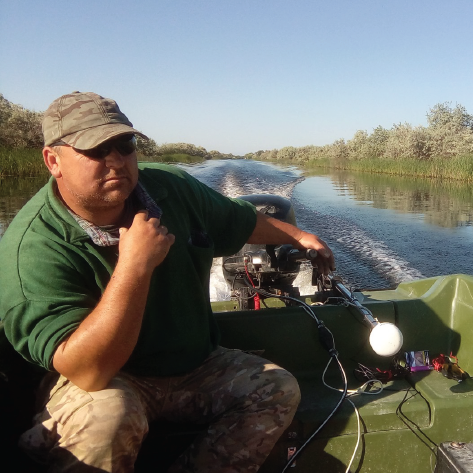
Daniel Ivanov
Daniel Ivanov is an employee of the University of Bucharest, Faculty of Geography, working at the Sfântu Gheorghe Research Station, where he holds the position of Technician II. He is highly regarded among researchers for his essential contributions to spatial data collection activities, as well as for carrying out scientific measurements specific to marine research, including topographic, bathymetric measurements, and drilling operations. He stands out for his inventiveness and his ability to quickly identify effective solutions to challenges encountered during fieldwork. He is also an excellent local guide, possessing an in-depth knowledge of the complex navigable routes within the access channels of the Danube Delta.
Mirela Paraschiv
mirela.paraschiv[at]geo.unibuc.ro
Mirela Paraschiv is a lecturer at Ovidius University of Constanța, Romania – Faculty of Natural and Agricultural Sciences. Her professional activity as a geographer is focused on sustainable territorial planning and participatory governance, especially under the EU framework of Sustainable blue economy. Given her expertise in research and educational projects of spatial planning, she constantly worked within interdisciplinary and international networks, together with experts in urban planning, landscape, architecture, ecology and biology. In the last five years, based on her geographical professional background on territorial development, sustainable tourism and social capital development, she focused on participatory governance and community engagement and coordinated three urban and rural Living Labs, as main direction of research with impact at local and regional level. She was recently involved in the international network of Black Sea Young Ambassadors and she is a member of the Professional Association of Romanian Geographers (APGR) and of Professional Association of Romanian Urban Planners (APUR), with active work in Constanța and Bucharest.