Logo UE Guvernul Romaniei PNRR

ONGOING PROJECTS

Climate Change and Ecological Impacts

Stakeholders' use of marine spaces under a changing climate: The case of the Black Sea

Elena

Elena Lloret-Lloret
Post-doc

Changes in climate are affecting the marine ecosystems worldwide. However, these changes are spatially unevenly distributed. Our objective here is to explore the overlap of the use of marine spaces by different stakeholders (i.e. different fleets and MPAs) with the spatial distribution of extreme temperatures and the areas most affected by the current changing climate; focusing on the Black Sea. For that aim, we will perform analyses of climate velocity and extreme temperatures. This type of exploration can integrate multiple stressors and help identify vulnerability hotspots as well as refugia. For the climate velocity, long-term temporal trends in SST (°C/year) will be calculated as linear regression slopes of monthly temperature against time, with a spatial resolution. For the extreme temperature events (Marine heatwaves, MHW), we identified, at spatial scale, temperatures warmer than the 90th percentile based on a 30-year historical baseline period, that last more than five consecutive days. Then we will overlay protected areas and areas used by the different fleets to identify those areas where stakeholders are being the most affected by changes in climate. This will help to assess the impacts for different users and help to inform the management of the protected areas, as well as to identify potential areas that might need further protection.

Assessing the effectiveness of marine protected areas in protecting marine biodiversity from climate change

Brunno Oliveira

Brunno Freire Oliveira
Part time Post-doc
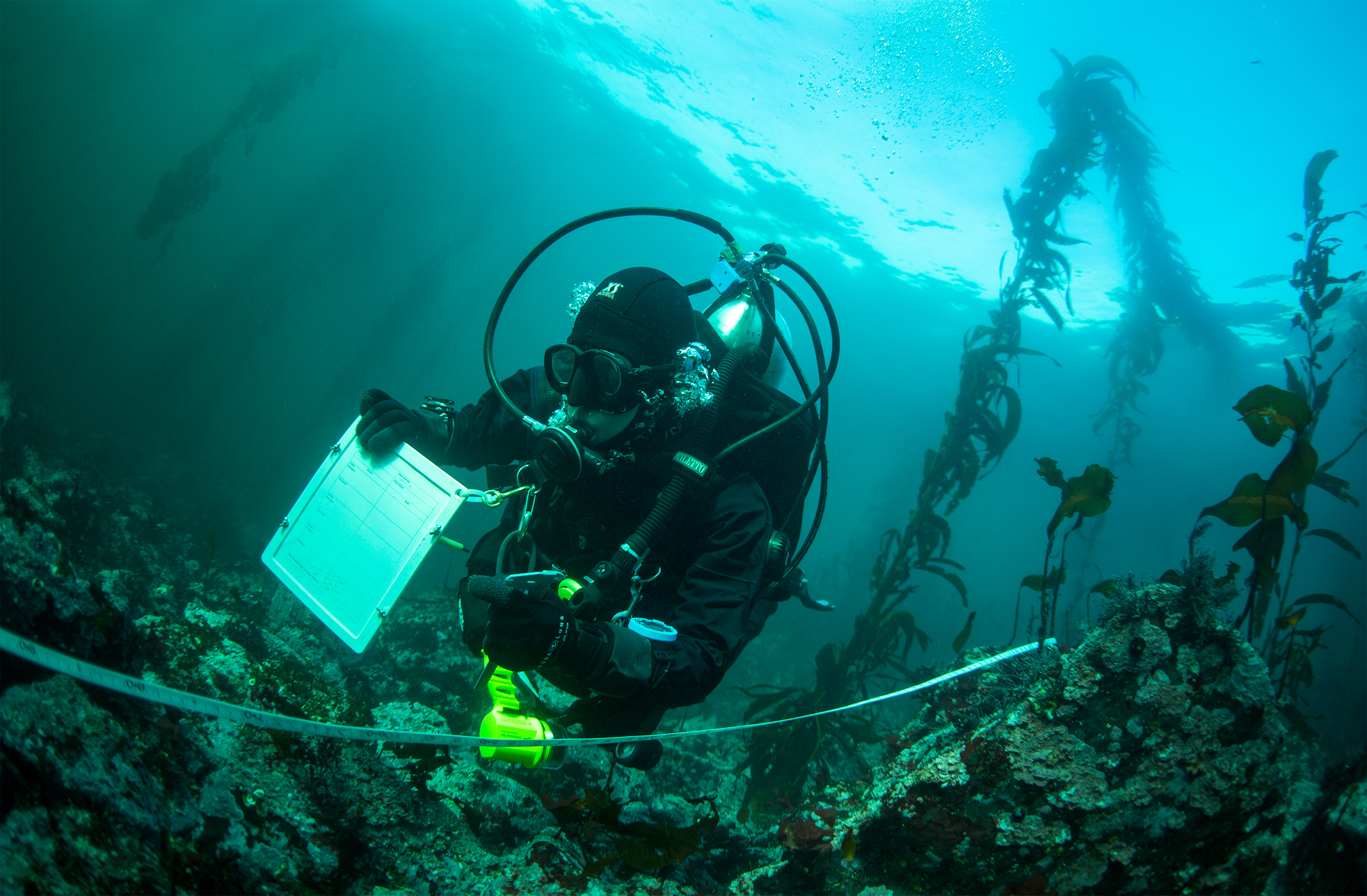
Species are shifting globally from climate change. Biodiversity is the foundation of life on Earth. It provides essential ecological support and services for human survival and development. MPAs have been established to conserve the biodiversity and ecosystem of oceans. MPAs have been confirmed as an effective tool to protect marine biodiversity. However, whereas MPAs will be effective in conversing marine biodiversity into the future from climate change is remains largely unexplored.

Connectivity of Marine Protected Areas based on Species Distribution Modelling. A case study for tuna species

Sorin

Sorin Constantin
Researcher

about2

Serban Ioan Daniel
Researcher

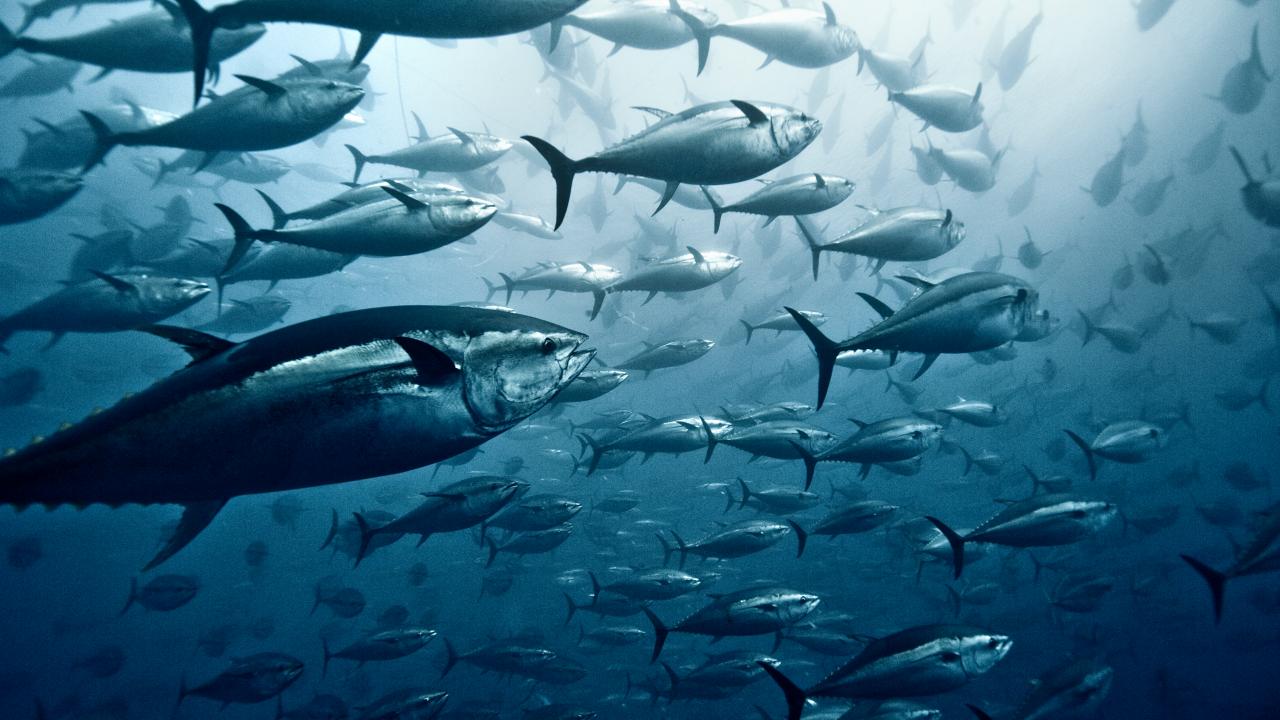
Marine Protected Areas (MPAs) are geographic regions which have been designated for the conservation of marine resources. The type of management for each MPA can vary significantly and the imposed restrictions can take many forms. There areas are often referred to as a connected system for safeguarding biodiversity and maintaining marine ecosystem health. However, the term “connected” cannot be clearly defined as an overall attribute. However, if specific target species are considered, then this characteristic could be better assessed. The objective of the current study is to quantify the degree of connectivity between MPAs, at global scale, based on the quality of the marine habitat for various tuna species. A first step of the process is to estimate the habitat quality, through what is called Species Distribution Modelling (SMD). Species occur in some places more than others. This is triggered by the interaction of three components: abiotic factors, biotic interactions and dispersal limitations (barriers). Our approach relies on the estimation of the favorability imposed by multiple oceanographic variables. To this regard, environmental envelopes (EEs) are defined for each of the input parameter (e.g. temperature, salinity), for each species. The EEs are a synthetic expression of properties such as minimum and maximum absolute and preferred ranges for a particular variable. Thus, the methodology targets directly the abiotic factors and the potential barriers. Biotic interactions are not directly considered, but are intrinsically tackled, since the EEs are initially computed based on matchups of modelled or observed oceanographic parameters and in-situ occurrences (such as fish catches, observations etc). And these occurrences are driven by all the factors mentioned above, including biotic interactions. The final outcome of the SDM is represented by a Habitat Suitability Index (HSI) for a specific moment in time (day, month etc) and for each of the four tuna species considered: skipjack (Katsuwonus pelamis), yellowfin (Thunnus albacares), bigeye (Thunnus obesus) and albacore (Thunnus alalunga). These HSI layers are subsequently the basis for the connectivity analysis, by considering them as permeability products. The higher the habitat suitability, the higher the permeability of that area for a population or an individual to move around. If habitat suitability is low, then the permeability decreases and the cost of transition is higher. For each MPA in the global ocean, the least cost paths to all others MPAs are computed. The one with the lowest score is selected. Lowest cost corresponds to the minimum effort required for one individual to move from one area to another. This can be significantly different from the geographical distance between them, especially if a barrier is present between (such as a land mass or an area with a very low HSI). By applying this processing scheme over multiple products covering long terms, the dynamics of connectivity can be assessed over the last two to three decades. Apart from the insights concerning this evolution until present time, the study will also establish a reference which can be used in further analysis. This is particularly important, since the ecological connectivity between MPAs may shift with projected climate changes, which affect the key oceanographic variables.

Other projects

Social Justice and Equity

Governance and Policy

Historical and Cultural Dimensions

Scroll to Top