ONGOING PROJECTS
Social Justice and Equity
Coastal and marine environmental justice. A review of Environmental Atlas cases.

Andrei Schvab
Researcher
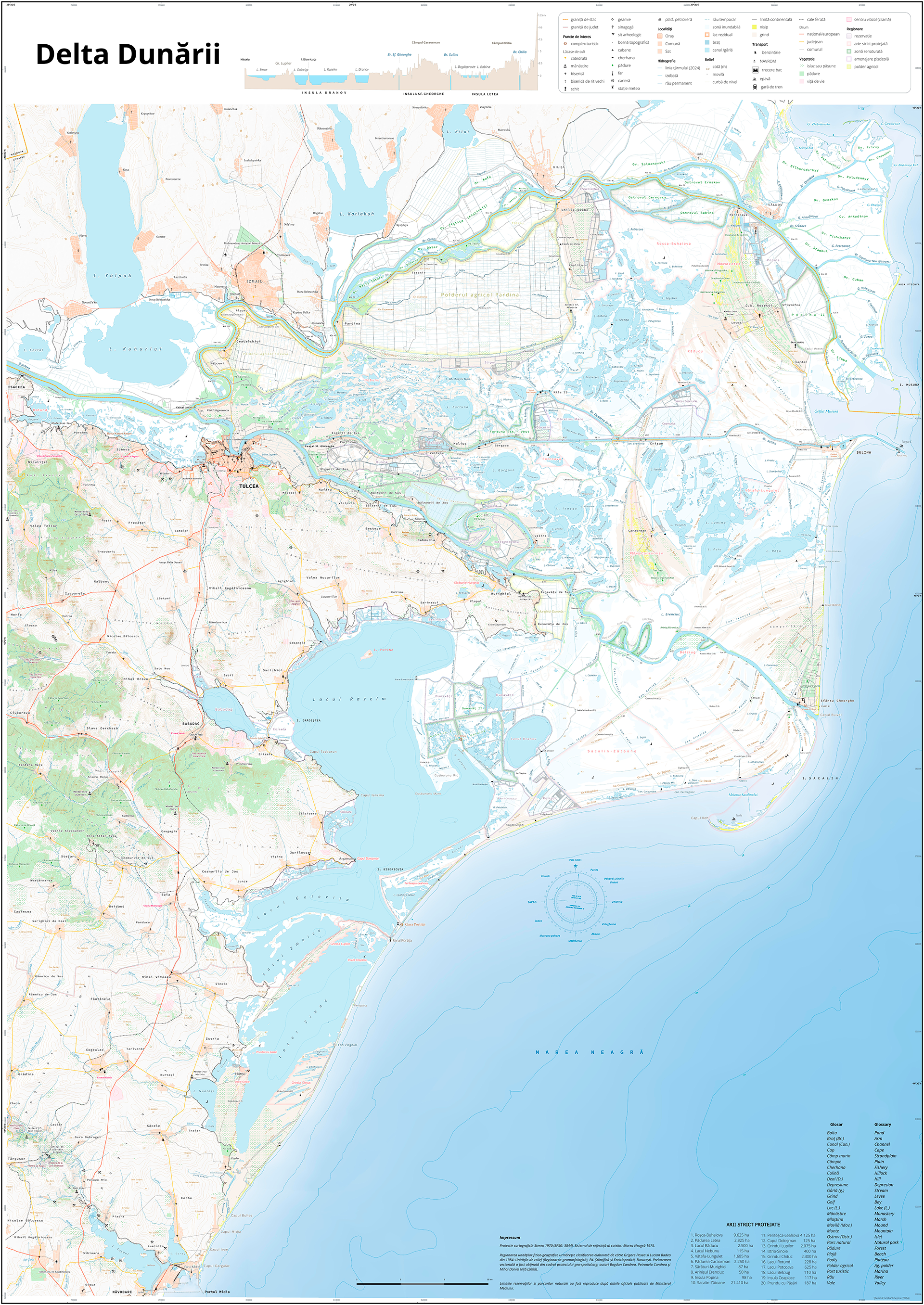
Coastal and marine ecosystems are under a lot of pressure. As most of humans live within few tens of kilometres from oceans and seas, the area craved for its economic and social benefits and hence the pressure. These areas will be among the first to be hit by climate change. Yet, not all coastal areas will be affected equally, and not all coastal areas will adapt as quickly. By reviewing all the environmental reports from the Environmental Justice Atlas, we label the ones affecting coastal and marine ecosystems in other to highlight a pattern and explain its dynamic. We will carefully analyse the data to see the stakeholders involved, their power relations, the balance of benefits and loses to the society, environment, or both, if it is affecting their livelihoods or their lifestyles and how it correlates with their regions or countries GDP, HDI, CPI and CCPI. Finally, we will test whether environmental injustices in coastal and marine ecosystems generate significant gains to those in power, while the local inhabitants will need to adapt to a new livelihood and lifestyle, while the environment will need to find a new balance domain. In this way the stage is set for the emergence of resilience for those poorly able to defend themselves (local inhabitants and the environment).
Adding pink to Blue Justice: the women of the Danube Delta

Petruța Teampău
Researcher
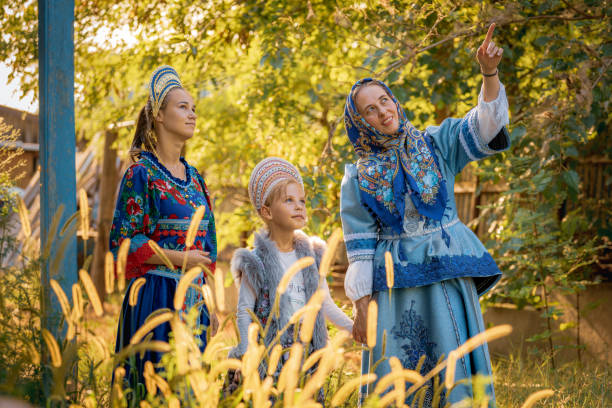
Although women do contribute to the Blue Economy (directly or by supporting/complementing men’s works), their efforts are underreported, invisible, ignored or just mixed up with their traditional gender roles. The literature that adds gender as a key component in understanding Blue Justice is still incipient and lacks empirical data, thus anthropological research is crucial for understanding local cultures and contexts. How do women contribute specifically to the economy of SSF and how did these contributions change in the past decades (from the communist “women’s emancipation” to capitalism)? Women are crucial for providing home-cooked traditional meals and home accommodation for tourists. What is the impact of increasing tourism opportunities on women’s empowerment (agency, decision-making, independence, money-making)? How is gender intertwined with the practice of fishing? (stereotypes e.g. “women bring bad luck”, gender division of labour, payment gaps, do’s and don’ts etc.). In terms of intersectionality, I am interested in how is ethnicity overlapping with gender: e.g Lipovan or Ukrainian women helping each other). Also, this year, in Sulina, for the first time, there are four women running for the Mayor’s office, promising to fight corruption, but none of them has a gendered electoral agenda!).
Do MPAs fulfill the expected effects on coastal social-ecological vulnerability?

Monalisa Silva
Post-doc